
Getting older is inevitable and as we all know and have experienced there are many challenges related to the latter years of our lives.
One such issue that we may or may not have considered surrounds security and locks.
Whether it is a family member or a neighbour, we want to do our best to help those people in our lives that need it.
As a locksmith operating in the Essex area, I have seen many lock/security issues related to the elderly and vulnerable. So the purpose of this article is to offer some practical advice on how we can protect those we care about. But at the same time make their lives as independent as possible for as long as possible.
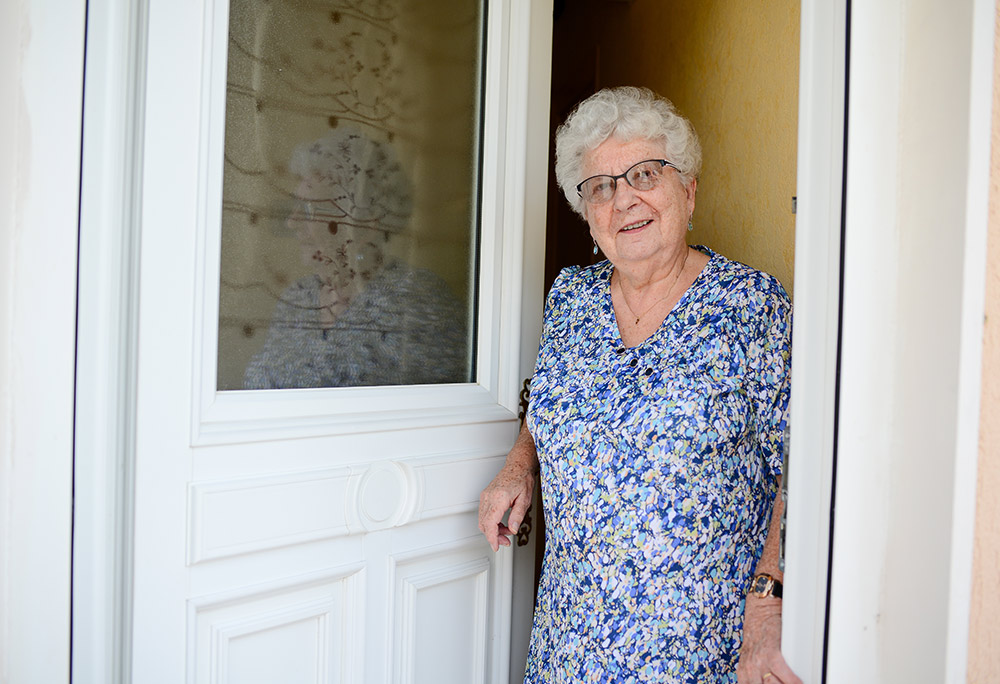
Sadly, the elderly are targeted because they are perceived as easy victims. They are often not in a position to defend themselves. If a door is not deadlocked, then it is much easier to break-in.
Elderly people can have issues turning keys or lifting handles making locking and unlocking difficult. This is especially the case if the mechanism is a bit stiff anyway.
People can get forgetful in their old age and can lose keys and not recall where or how. This now puts the security of their home at risk. Did you know that many home insurance policies do not cover situations where someone uses a key to gain entry?
In case of a fall, or medical emergency, the elderly or vulnerable person may not be unable to unlock/open the door from the inside. Those that care for him/her should have a key to gain entry. However, please note that if there is a key inserted on the inside of lock, then the key will not work from the outside. There is a similar problem ff there is a nightlatch fitted and the person inside has engaged the ‘snib’ button to deadlock the latch. Again, you will not be able to enter the property even with a key.
The elderly and those most vulnerable are often victims of people coming to their home and being tricked and deceived into letting people in, giving money or any other number of scams.
Fit a thumb turn lock on the door instead of a traditional key operation from the inside. A thumb turn operates the same way as a key, but it is easier to grip and turn. It helps in situations where the person inside cannot find their key. It also prevents the situation where the person inside has left a key in the lock. If someone else needs to gain access quickly for whatever reason, it is likely that the lock will not operate.
If you do not want to have a thumb turn, then there are some lock cylinders that have a ‘double-clutch’. This means they can be operated from both sides even if there is a key on the other side.
You can even change a mortice lock (typically found in wooden doors) to a thumb-turn style lock.

All or some of these steps can really make a difference in terms of offering a feeling of security and independence to those that are more vulnerable. It is so important to feel safe at home and it can have a real impact on physical and mental health. There is evidence to suggest that elderly people that get burgled are more likely to die earlier due to the distress caused as sited in this Daily Mail article.
When old age sets in and various ailments become more problematic the least the older generation deserve is to feel safe and secure in their home.
Other support can be found from other organisations and charities. In the area where I operate, Age Well East can offer support and guidance on many related issues.
I hope this article on Lock Related Advice for the Elderly and Vulnerable has been useful to you.
If you want further advice on locks and other security products, then contact Lock Guy.
Got a question about a lock issue you may have? Why not have a look at the FAQ page or one of the helpful advice videos on the Media page.