
When it comes to a lockout situation, a good, reputable locksmith will usually try a number of non-destructive entry techniques first. For obvious reasons, this article will not go into any details about the methods that locksmiths use to gain entry to a property!
If you find yourself locked out of your property, the likelihood is that you are going to need to call a locksmith to get you back in. The locksmith profession in the UK is unregulated and there are wide-ranging standards of quality, integrity and capabilities amongst the people that trade as locksmiths. You can read more on how to identify a good locksmith in our previous articles How to identify and select a good locksmith, and How to identify a rogue locksmith.
Rogue locksmiths will normally always say immediately that the lock needs to be destroyed because then they can charge you more money (and because they likely do not have the skill/knowledge/tools to carry out a non-destructive entry). But often it depends on the type of lockout situation it is. This article will review the most common ones.
In this case the occupant will likely have the key, but it is not working the lock. If the lock or the locking mechanism has failed, then the locking part will need to be replaced. So there is no point looking at lock picking options to gain entry. In this situation it is common to expect a destructive solution from the locksmith. Having said that, the key itself should be checked because often the issue can be with the key – not the lock.
If your keys have been lost or stolen whilst you were out, then the advice is always to change your locks as you do not know who is in possession of them. Therefore, if the lock is being changed anyway, it is sometimes quicker for the locksmith to rely on a destructive method of entry. However, if you have other keys in the property and you do not want the cost of changing the locks, then it is your right not to go ahead with changing the locks and you should insist on a non-destructive method of entry which is normally very possible.
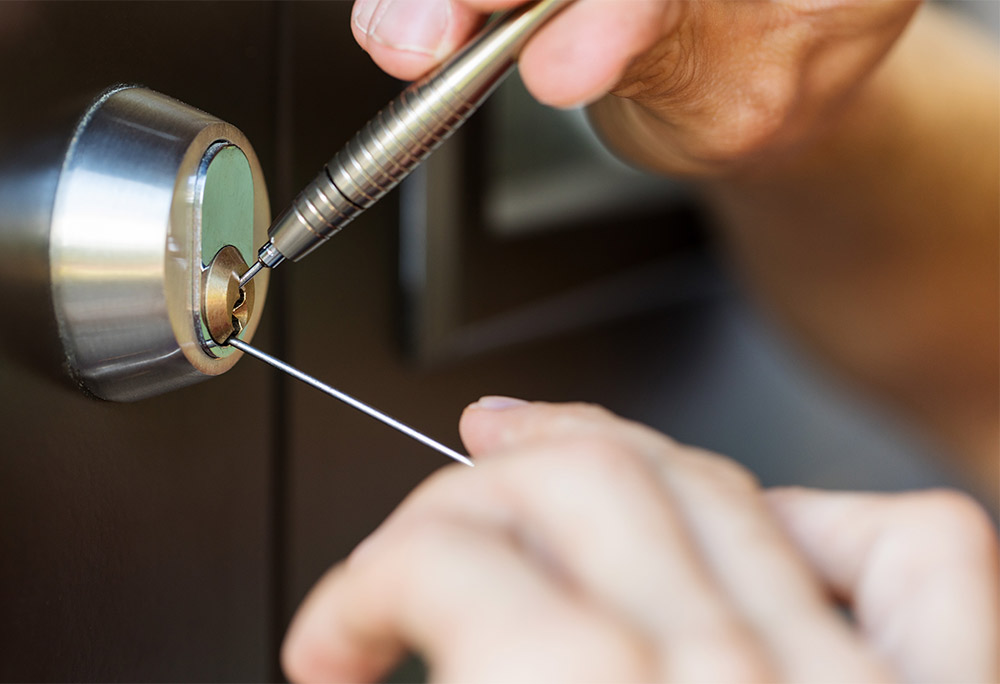
Depending on the type of lock you have, sometimes just closing the door means you cannot get back in if you do not have the key with you. Or maybe there is a key left in the lock on the inside of the door so you cannot operate the lock cylinder from the external side. In this case, needing to destructively enter the property is extremely rare. There are several techniques a reputable locksmith will try first.
This can happen for a number of reasons. Possibly your key had become damaged – or possibly the lock has become a bit too stiff to operate (in which case, you should get the locksmith to check why this has happened – it might just need a bit of lubricating). But in terms of entry, a good locksmith will nearly always be able to extract the key without damaging the lock. Then a non-destructive entry method can be used, or the locksmith might be able to cut a new key from the broken one.
If you have a nighlatch on the inside of the door (operated by a rim cylinder from the outside – commonly found on wooden doors), then it can happen that the ‘snib’ (the button on the nightlatch that either holds the latch back or deadlocks the latch in the locked position) can engage itself. This happens when the snib becomes worn and perhaps the button drops down if the door is closed heavily. Then, even if you have the key, it will not turn. Again, it is normal to expect the locksmith to gain access non-destructively. Although the locksmith should repair / replace the worn part or the nightlatch itself.
Your door can move over time based on the use (& abuse) it gets, the fluctuations in weather & temperature or possibly damaged/failed hinges. Occasionally, this can result in the door becoming jammed in the frame so it is not possible to unlock/open. Again, this can often be resolved non-destructively and then the issue can be fixed by making a few adjustments once the door is open.
Please note, a destructive entry method does not mean damaging the door, the frame or anything else – just the lock.
I hope this article on Non-Destructive Entry has been useful to you. If you have any questions or would like to discuss my services please get in contact.
Got a question about a lock issue you may have? Why not have a look at the FAQ page or one of the helpful advice videos on the Media page.